![]() |
|
|
|
||||||
|
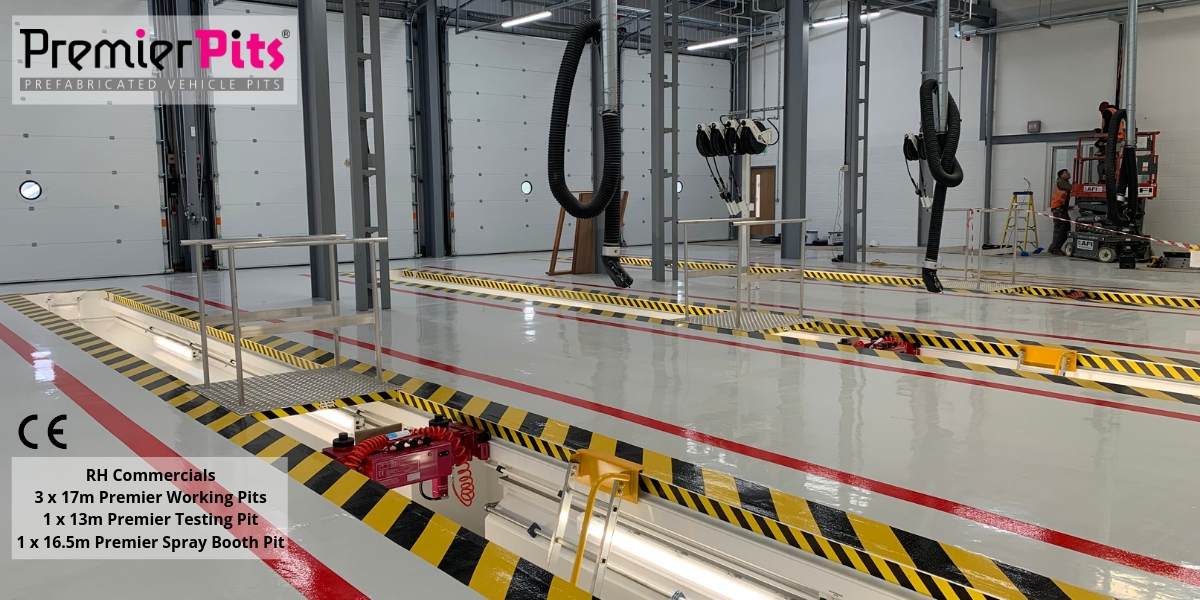
Pits v Lifts For many years there was a common understanding emerging that lifts were the recognized way for garage operators to carry out vehicle maintenance and inspection. However, over the last ten years or so there has been a growing understanding that pits have a lot to offer. The factors that need to be considered include:
A. Economic a. Initial set up costsGenerally initial set up costs are lower for lifts. However, it is very difficult to compare, amongst other things, it depends upon the length of the pit, the installation conditions, the accessories fitted etc. While on the other hand lift costs depend upon the type of lift and the quality, as some types of underground lifts are more expensive. b. Roof heightPits can be used in buildings with lower roofs. c. Running costsThis is where pits win hands down. Once installed a pit can last forever. Lights and safety covers may need to be replaced from time to time but other than a re-spray the new steel prefabricated pits have very few other running costs. Lifts need constant maintenance and replaced parts. On top of this, they have a finite life. d. FlooringLifts can also lead to cracked floors. The strength of the floor has to be considered. Also, unless large well bolted bases are incorporated into the posts constant use can lead to concrete floors deteriorating. Poor quality floors can lead to unstable lift posts. e. FlexibilityOnce installed it is difficult to relocate an existing pit, while on the other hand lifts can be moved easily to a new location at relatively low costs. B. Efficiency
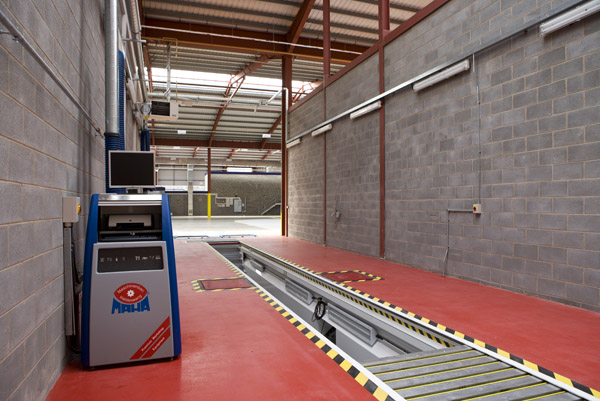
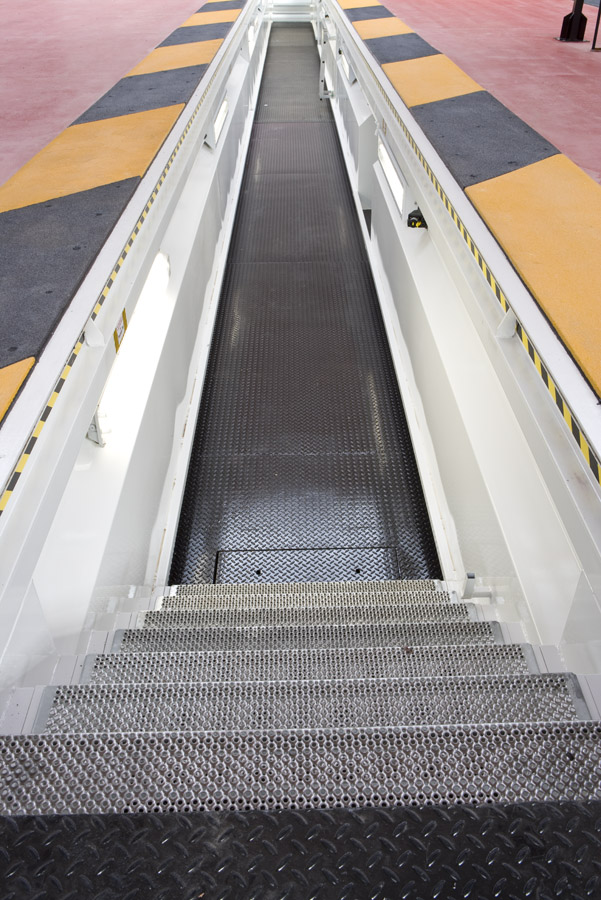
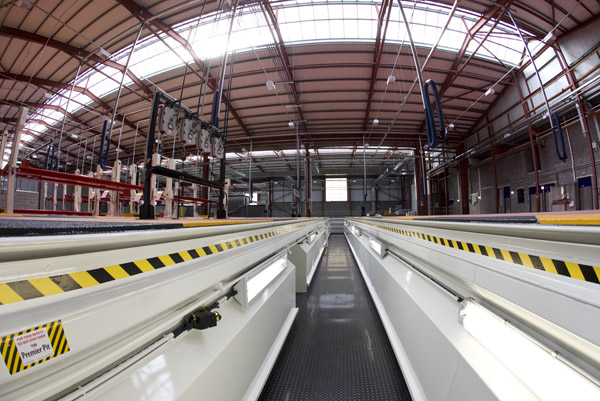
C. Working Conditions Traditionally, pits had a poor reputation amongst mechanics. They were seen as dirty, crumbling holes in the ground built to the wrong depth. Additionally, water leakage was a problem often leading to mechanics working up to their ankles in water. Lighting and fume extraction was poor. Modern prefabricated pits have overcome all these problems and as a result pits have become much more pleasant places to work. D. Safety Pits have a reputation for being unsafe for two main reasons:
Very often pit safety is assessed on very old sites that were built 30/40 years ago when health and safety was not considered. This quote is taken from the latest Health and Safety Executive “214. Inspection pits are still commonly found in MVR premises and an assessment of workplace risks may well show that they are the safest option when working on diesel-fuelled vehicles” On the other hand lifts have their safety issues:
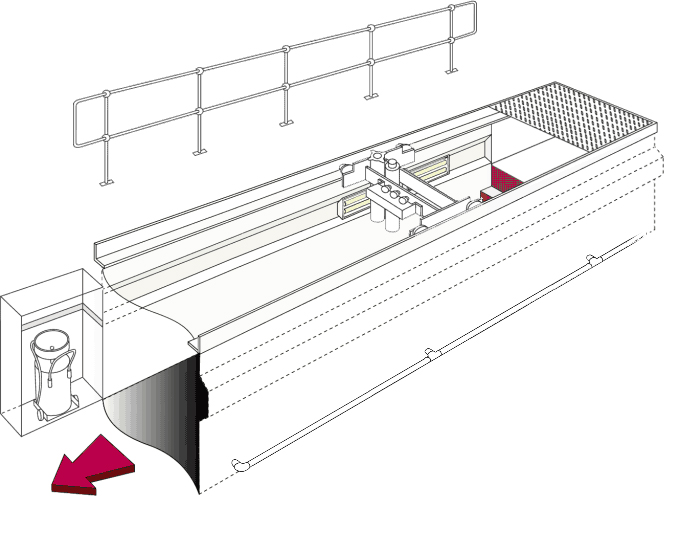
A great deal of work has been undertaken to overcome safety concerns related to pits, including;
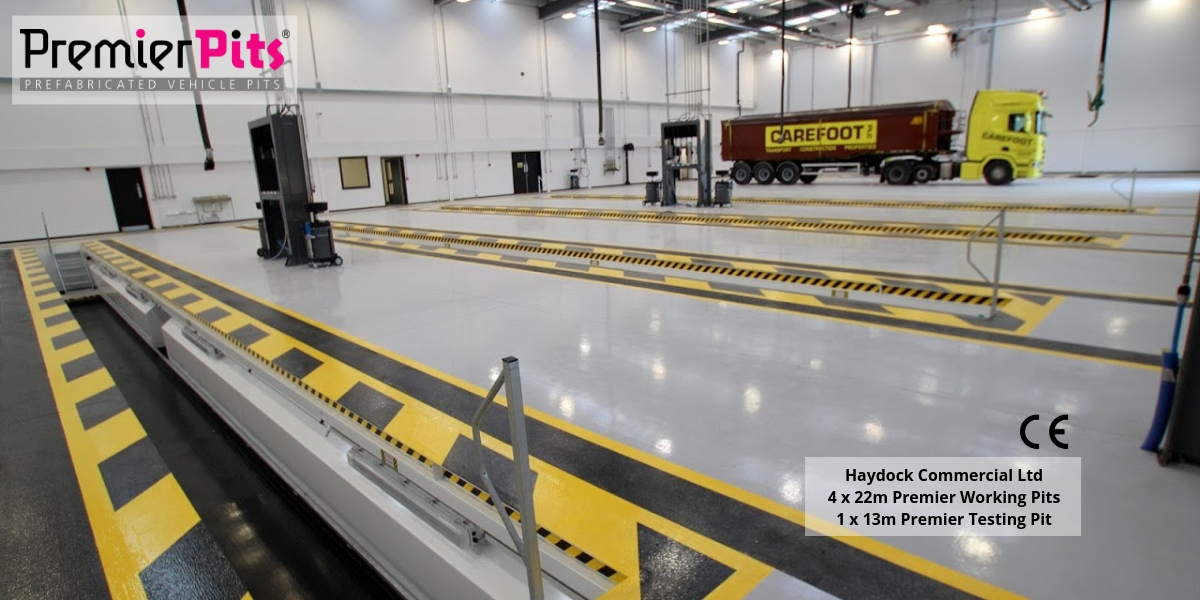
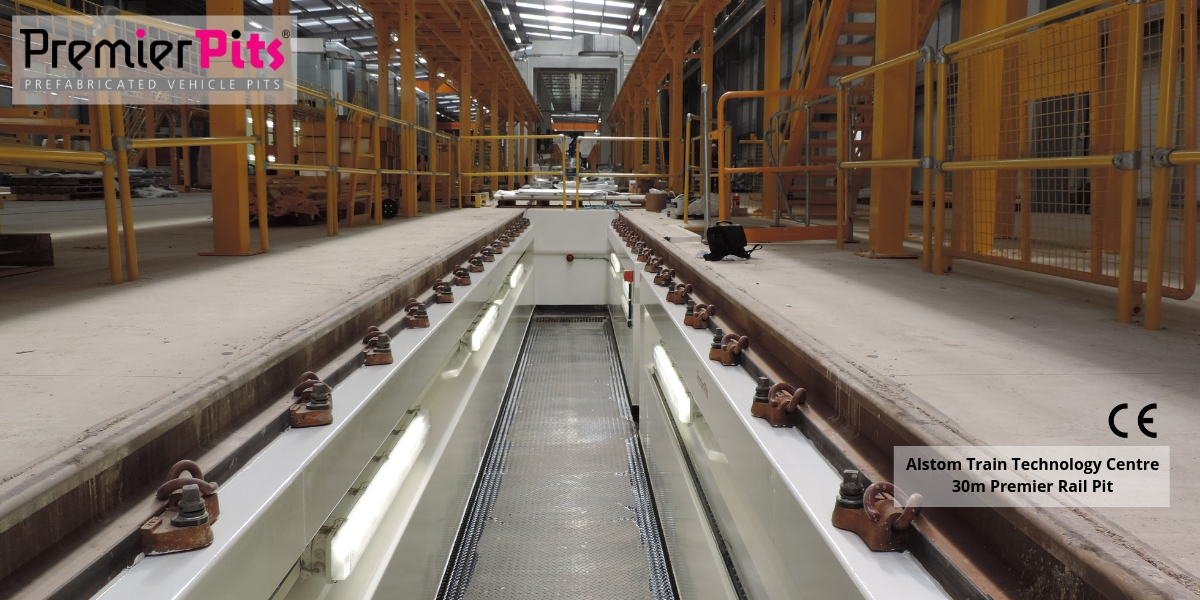
Pits have therefore become very safe both for the people working in them and other people walking in the workshop. Also pits give a feeling of safety while with lifts there is always the sensation of having to depend upon some mechanical or electrical devise. This is particularly daunting when working under a large CV or bus. Conclusion As can be seen there are benefits and drawbacks with both pits and lifts. Mainly since the advent of prefabricated pits many of the drawbacks presented by pits have been overcome. As a result the economics of testing and maintaining vehicles using pits, whether they are cars, vans, trucks, trains or buses are transformed both on day to day and lifetime assessment. |
||||||
|
|||||||